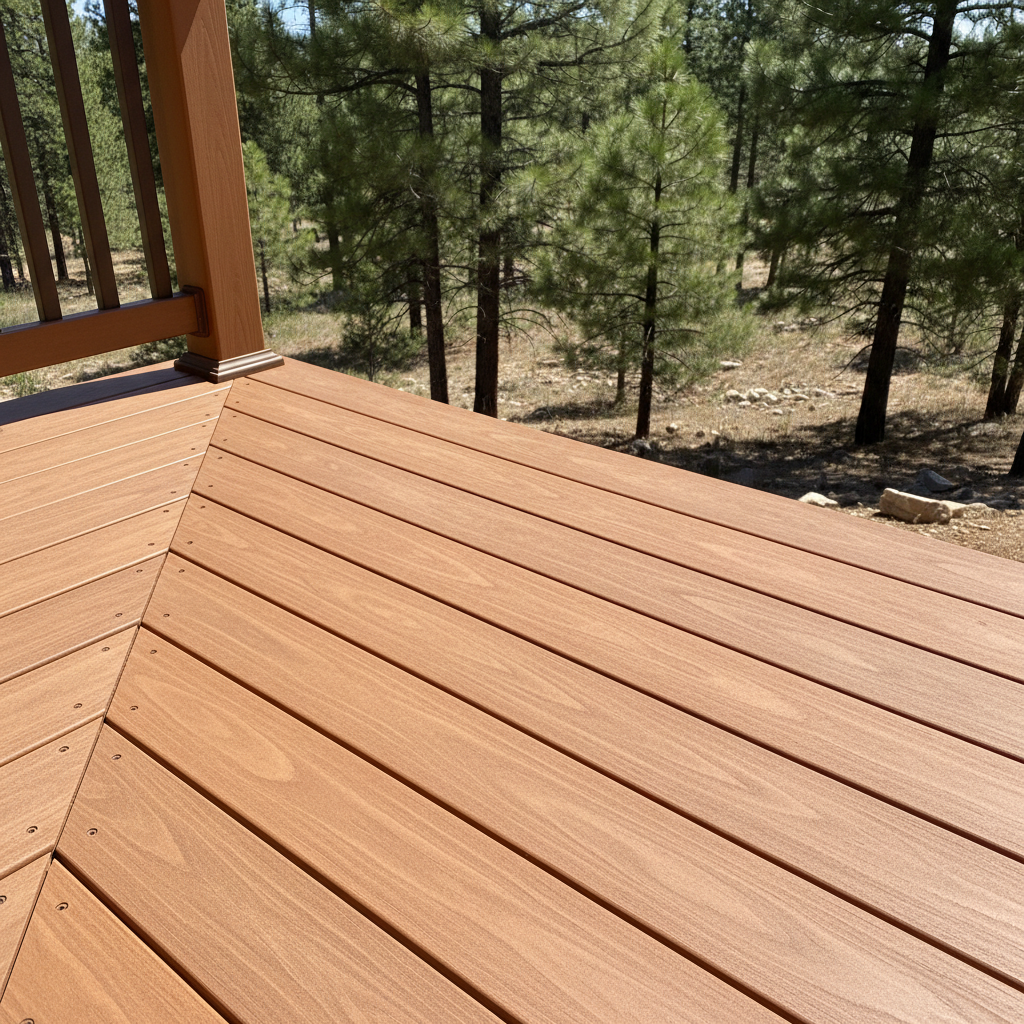
So, you're thinking about a Trex deck for your place here in Flagstaff. Smart move. Composite decking, especially Trex, is a really solid investment, particularly with our wild weather swings. But before you jump in, or even think about grabbing a hammer, you really ought to know what you're getting into. This isn't just about picking out colors; it's about the whole shebang, from the initial planning right up to kicking back and enjoying it.
Before You Even Buy a Board
First things first, and I can't stress this enough: planning. This is where you can save yourself a ton of headaches – and money, for that matter. Don't skip it. You'll need to figure out the size, the shape, and the overall design of your deck. Are you just replacing an old wood deck, or are you building something completely new? What's your budget looking like? Trex isn't exactly cheap, but it'll last you a good, long time with very little fuss.
You'll also need to check in with the City of Flagstaff about permits. Seriously, don't try to ignore this. Building codes exist for a reason, mostly for safety. A lot of homeowners figure they can just build a small deck without one, but that's usually not the case. If your deck attaches to your house, or if it's more than 30 inches off the ground, you're almost certainly going to need a permit and inspections. Trying to cut corners can lead to fines, having to tear it all down, and a whole lot of stress later on when you try to sell your house. Nobody wants that.
Can you handle this part yourself? Absolutely. Sketch out your ideas, measure everything twice (or three times!), and then head down to the city planning department. They're usually pretty helpful folks. Just make sure you're prepared with your plans and questions.
During the Build: DIY or Call a Pro?
Alright, you've got your plans and your permit. Now for the actual construction. This is where the rubber meets the road, and where most people decide if they're in over their heads.
- Demolition: If you're tearing out an old deck, you can usually handle this part yourself. Rent a dumpster, grab a pry bar and a reciprocating saw, and get to work. Just be careful with nails, obviously, and double-check you're not cutting into anything important, like electrical lines or plumbing.
- Footings and Framing: This is the backbone of your deck, and getting it right is absolutely critical. Here in Flagstaff, with our expansive clay soils in some spots, proper footings are non-negotiable. You need to dig deep enough to get below the frost line (which is usually around 30 inches here, but definitely check with the city to be sure) and ensure your footings are sized and spaced correctly. The framing itself needs to be square, level, and strong enough to support the decking and whatever you put on it — people, furniture, snow loads. If you're not experienced with carpentry, reading blueprints, and understanding structural loads, this is where you should seriously consider hiring a professional. A wobbly or improperly built frame isn't just annoying; it's dangerous.
- Decking Installation: Laying the Trex boards themselves is probably the most DIY-friendly part of the whole project, assuming your frame is perfect, of course. Trex has specific installation guidelines, especially concerning gapping for expansion and contraction. You'll need a good miter saw, a drill, and the right fasteners (hidden fasteners are popular for a clean look). It's tedious work, yes, but manageable for someone with basic tool skills and some patience. Just remember, measure twice, cut once. Those Trex boards aren't cheap to replace if you mess up.
- Railing Installation: Trex offers its own railing systems, which are designed to go together pretty smoothly. Again, if you're comfortable with tools and following instructions, you can probably install these yourself. Just make sure your posts are plumb and secure, as railings are a key safety feature.
Look, I've seen plenty of homeowners try to tackle the whole thing themselves. Some do a fantastic job. Others end up with a deck that sags, squeaks, or just doesn't look quite right. My advice? If you're truly confident in your carpentry skills, especially with structural elements, go for it. But if you have any doubts about the footings or framing, call a pro. It's just not worth compromising safety or ending up with a deck that needs expensive repairs down the line. We at Flagstaff Deck & Porch see a lot of