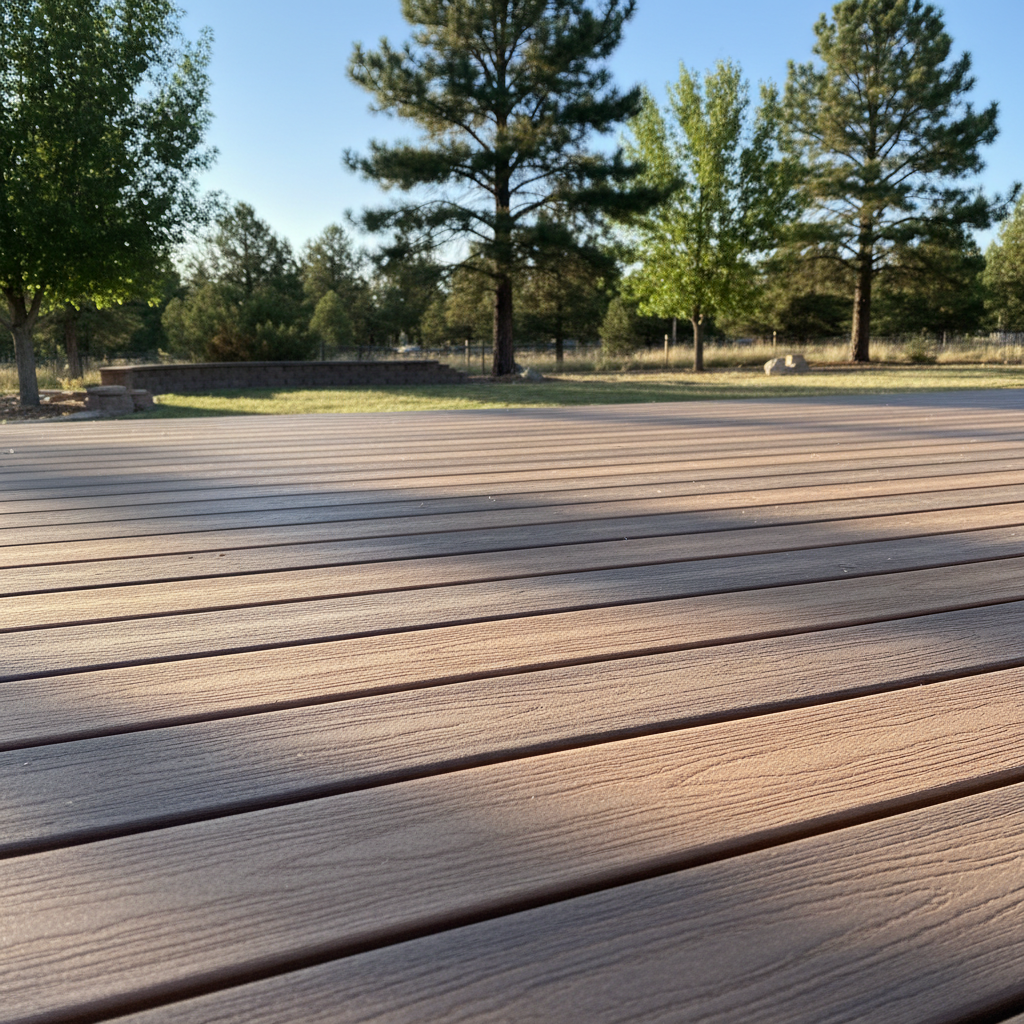
Alright, let's talk Trex. I get a lot of questions about composite decking, especially Trex, from folks all over Flagstaff – whether they're up in Forest Highlands or down by the university. It's a popular choice, and for good reason, but there's a lot of misinformation out there. So, I figured I'd tackle the most common questions I hear. No marketing fluff, just straight talk from someone who builds these things.
Is Trex really maintenance-free?
That's the big one, isn't it? And the short answer is: no, not entirely. It's low-maintenance, not no-maintenance. You won't be staining or sealing it every couple of years like you would with natural wood, which is a huge benefit, especially with our sun and snow cycles up here. But you still need to clean it. Dirt, pollen, pine needles from those Ponderosas, and even a little mold or mildew can accumulate, especially in shadier spots. A good scrub with soap and water, or a gentle pressure wash (on a low setting, mind you, you don't want to damage the surface), once or twice a year will keep it looking great. Think of it like washing your car – it still needs a bath to shine.
How much more expensive is Trex compared to wood?
Generally, Trex is going to cost you more upfront than a pressure-treated pine deck. Sometimes significantly more, depending on the specific Trex line you choose and the complexity of your deck design. However, and this is where the math gets interesting, you've got to factor in the long-term costs. With wood, you're looking at regular cleaning, sanding, staining, and sealing. That's either money out of your pocket for materials and tools, or for a pro to do it. Over 10-15 years, those maintenance costs for wood can easily eat up, or even surpass, the initial difference in price. So, while the sticker shock might be real, Trex often pays for itself over its lifespan.
Does Trex get too hot in the sun?
This is a valid concern, especially for us up in Flagstaff where the sun can be intense, even if the air temperature isn't scorching. Yes, Trex and other composite materials can get warmer than natural wood, particularly the darker colors. Think about walking barefoot on a black asphalt driveway versus a light concrete sidewalk. It's similar. If you're planning a deck that gets full, all-day sun and you like to go barefoot, I'd lean towards lighter Trex colors. They reflect more sunlight and stay cooler. It's not usually a deal-breaker for most folks, but it's definitely something to consider when picking your color.
Will Trex fade or scratch easily?
Modern Trex products, especially their higher-end lines, are designed with a protective shell that makes them highly resistant to fading, staining, and scratching. They've come a long way from the early days of composites. You'll get some minimal fading over many years, but it's usually uniform and barely noticeable. As for scratches, they're tough, but not indestructible. Dragging heavy furniture, dropping a sharp tool, or letting your dog's nails go unchecked can still leave a mark. But for everyday wear and tear, they hold up incredibly well. That protective capstock is a game-changer.
What about snow and ice? Will it hold up to Flagstaff winters?
Absolutely. Trex is built to withstand extreme weather conditions, and our Flagstaff winters are definitely extreme. It won't rot, warp, or splinter from snow and ice. You can shovel it just like a wood deck, though I'd recommend using a plastic shovel to avoid scratching the surface. Just be careful with ice melt products; some can be abrasive. Always check Trex's recommendations for specific ice melt chemicals. We've installed Trex decks all over town, from Munds Park to the Peaks, and they handle the heavy snow loads and freeze-thaw cycles like champs.
Is Trex slippery when wet or icy?
No more so than wood, and often less. Trex boards have a textured surface that provides decent traction. When it's wet, it's generally fine. When it's icy, well, anything is slippery when it's icy! Just like any other outdoor surface, you'll want to be cautious. Some Trex lines offer enhanced traction patterns, which can be a good option if you're particularly concerned about slip resistance in wet or icy conditions.
How long does a Trex deck last?
Trex offers a 25-year limited residential warranty on most of its decking products, and some lines even come with a 50-year warranty. That's a pretty strong indicator of their expected lifespan. With proper installation and basic cleaning, you can realistically expect your Trex deck to last for decades. It's a significant investment, but it's one that provides long-term value and enjoyment without the constant upkeep of a traditional wood deck. That's why we at Flagstaff Deck & Porch often recommend it for folks looking for a durable, beautiful, and low-hassle outdoor living space.
Can I build a Trex deck myself?
You can, but I'd advise caution. While Trex boards are relatively easy to work with, building a deck isn't just about laying boards. You've got to deal with framing, ledger attachment, footings (which can be tricky with our rocky Flagstaff soil), railing systems, and local building codes. Getting the substructure right is critical for the longevity and safety of your deck, regardless of whether you're using wood or composite. If you're an experienced DIYer with a good understanding of construction principles and local codes, go for it. Otherwise, hiring a professional like us ensures it's done right, safely, and to code. We've seen too many DIY deck nightmares to count.