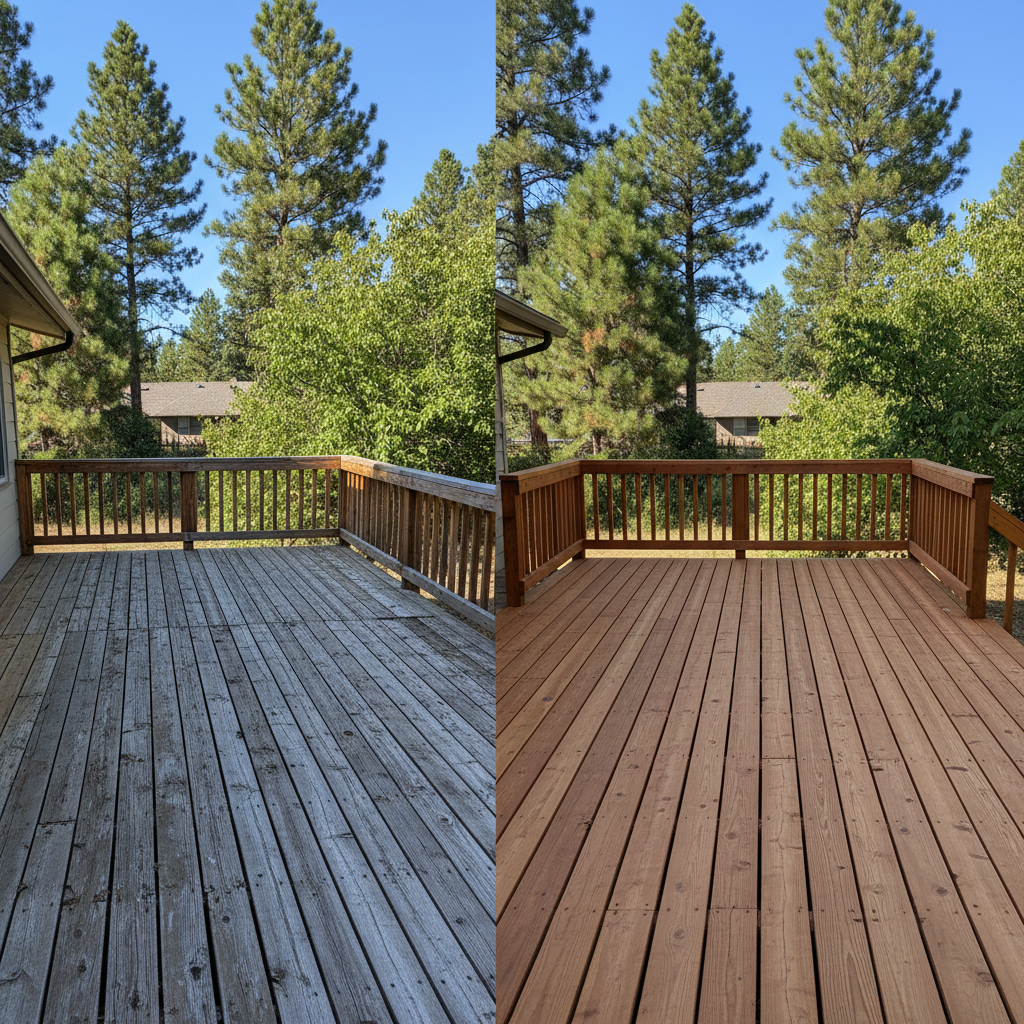
Alright, you're thinking about adding a new deck or maybe replacing an old one, and you've decided wood is the way to go. Good choice – nothing beats the classic look and feel of real wood. But then you start looking into it, and suddenly you're faced with a bunch of options. For wooden decks, the two big contenders I see most folks weighing are pressure-treated lumber and natural cedar. So, let's talk straight about what each means for your Flagstaff home.
Pressure-Treated Lumber: The Workhorse
This is probably what comes to mind for a lot of people when they think 'wood deck.' Pressure-treated lumber, usually pine, is infused with chemical preservatives under high pressure. This process makes it resistant to rot, decay, and insect infestations – which, let's be honest, is a pretty big deal up here. We don't have termites like down in Phoenix, but moisture and wood-boring insects are still a concern over time.
The Good Stuff:
- Cost: This is usually the biggest draw. Pressure-treated wood is significantly more affordable upfront than cedar. If budget is your absolute top priority, this is likely your winner.
- Availability: You can find this stuff everywhere. Every lumberyard in town stocks it, so it's easy to get your hands on.
- Durability (against rot/insects): The treatment works. It's built to last against the elements that would otherwise eat away at untreated wood.
The Not-So-Good Stuff:
- Appearance: It's not the prettiest wood. It often has a greenish tint when new, which fades to a grayish-brown over time. It can also be prone to warping, checking (small cracks), and splitting as it dries out, especially with our dry, sunny Flagstaff summers and then the snow.
- Maintenance: While it resists rot, it still needs regular sealing or staining to protect against UV damage and moisture absorption. If you don't keep up with it, it'll still look weathered and worn.
- Splintering: Older pressure-treated decks can get pretty splintery. Not ideal for bare feet.
Cedar: The Classic Beauty
Now, let's talk about cedar. When people picture a beautiful, natural wood deck, they're often thinking of cedar. It's a softwood, but it's naturally resistant to decay and insects thanks to oils present in the wood itself. It's got that rich, warm color and a distinctive aroma that's just lovely.
The Good Stuff:
- Appearance: This is where cedar really shines. It has a gorgeous grain, a rich reddish-brown color that can be maintained with proper sealing, or allowed to weather to a soft, silvery-gray patina. It just looks more premium, more natural.
- Stability: Cedar is generally more stable than pressure-treated pine. It's less prone to warping, twisting, and checking, which means a smoother, flatter deck surface for longer. This is a big plus with our freeze-thaw cycles.
- Natural Resistance: No harsh chemicals here. Its natural oils do the work of resisting bugs and rot.
- Less Splintering: It tends to be a softer wood and less prone to splintering than pressure-treated lumber, making it nicer underfoot.
The Not-So-Good Stuff:
- Cost: Cedar will cost you more upfront, sometimes significantly more than pressure-treated lumber. This is often the deal-breaker for folks.
- Maintenance: Just like pressure-treated, cedar needs regular sealing or staining to protect its color and prolong its life. If you let it go, it'll turn gray, which some people like, but it won't have that vibrant look.
- Softness: Being a softer wood, it's a bit more susceptible to dents and scratches than some harder woods.
Which One For Your Flagstaff Home?
Okay, so you've got the rundown. For Flagstaff, our climate is pretty unique. We get intense sun exposure, significant snowfall, and big temperature swings. That means whatever wood you choose, it's going to take a beating.
If your budget is tight, and you're okay with a more rustic look and diligent maintenance, pressure-treated lumber is a perfectly functional and durable choice. It'll get the job done, and it'll last you a good long while if you take care of it. I've built plenty of solid pressure-treated decks that have served families well for years, especially in neighborhoods like Cheshire or Doney Park where folks are often looking for practical, robust solutions.
However, if you're looking for that premium look, superior stability, and a deck that just feels a bit more refined, cedar is hard to beat. The upfront cost is higher, no doubt, but the aesthetic appeal and the way it holds up to our weather, maintaining a smoother surface, often makes it worth the investment for many homeowners. You'll still need to seal it regularly, but you'll be preserving a truly beautiful material.
Ultimately, it comes down to what you value most for your outdoor living space. Both can make for a great deck. What I always tell my clients is to think about how you'll use the deck, how long you plan to be in your home, and what kind of commitment you're willing to make to maintenance. Give Flagstaff Deck & Porch a call, and we can walk through your options right there in your backyard.